Short answer: a wrap is worth it if you want to change how your Tesla looks, protect the factory paint, or both — and you're comfortable spending roughly $2,500–$6,500 on something that lasts a few years, not forever. It's not worth it if you're chasing resale value alone, or if you want a change that's permanent.
Here's the honest version of that math.
What you're actually buying
A vinyl wrap is a thin adhesive film applied over your car's existing paint. Three things follow from that, and they explain almost every trade-off below:
- It's reversible. The paint underneath stays original.
- It's a wear item. Film degrades in UV, heat, and road grime. Plan on 3–5 years.
- It's mostly labor. Film is a fraction of the price; the skill of the installer is what you're paying for.
That last point is why quotes vary so wildly for the same car. A $1,800 quote and a $4,500 quote are usually not the same job.
The case for wrapping
A color the factory doesn't offer
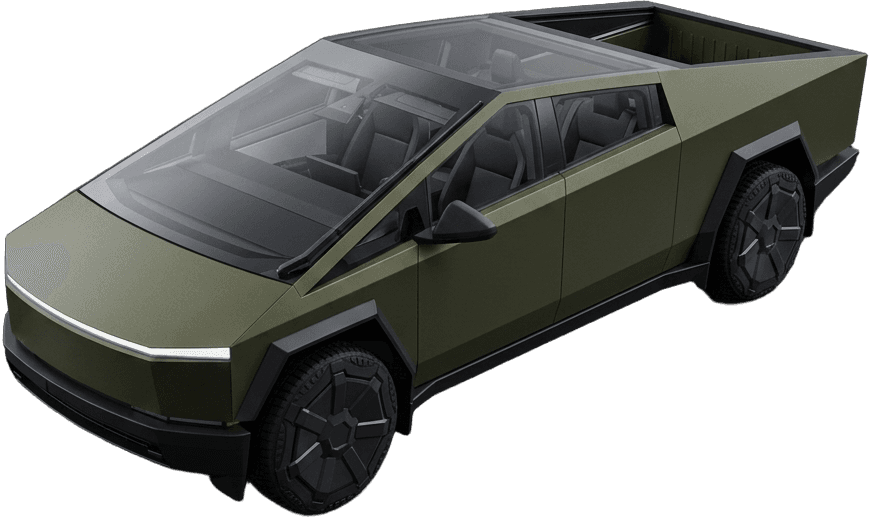
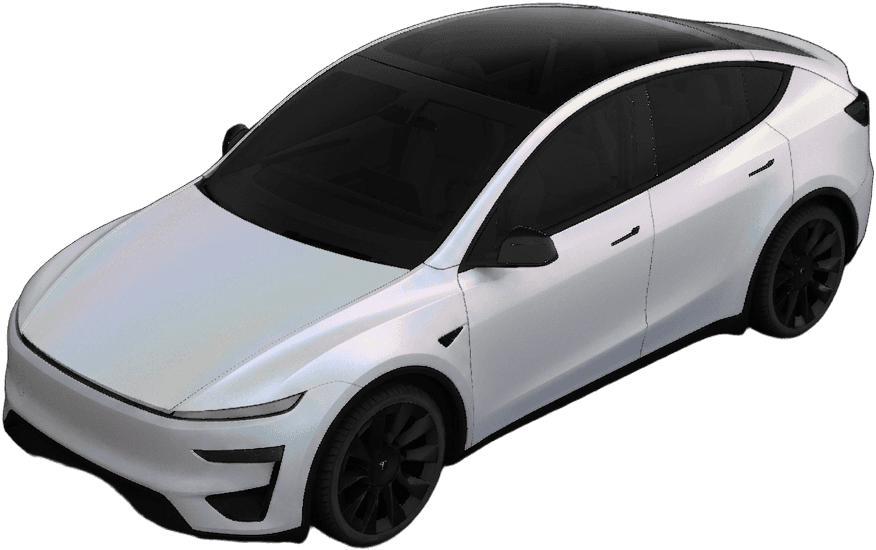
Tesla's palette is famously narrow. A wrap is the only practical way to get satin nardo grey, matte military green, or a color-shift finish without committing to a respray.
Protection for the paint underneath
Vinyl absorbs light scratches, bug etching, and UV fade that would otherwise hit the clear coat. Owners in sunny or salted-road climates notice this most.
You stop being invisible
Model 3s and Model Ys are everywhere. In a parking lot full of white and grey, a wrapped car is the one people photograph.
It's reversible, which makes leases easy
This is one of the strongest cases. A wrap changes the car for the length of your lease and comes off before you hand back the keys — as long as it's professionally removed and your lease terms allow modifications.
The case against
It's a recurring cost, not a one-time one
In 4 years you'll be deciding whether to remove, replace, or live with a fading wrap. Budget for that day.
Cheap film can damage paint on removal
Low-quality film left too long can bake onto the clear coat. Removal then becomes a slow, expensive job — and that's the scenario that actually hurts resale.
Maintenance gets fussier
This is especially true with matte and satin finishes. No automatic brush washes. Matte-safe products only. If you rely on a $12 drive-through wash, a matte wrap will disappoint you within a year.
You need to tell your insurer
A wrap is a declared cosmetic modification for most carriers. It's usually cheap to add — but an undeclared modification can complicate a claim.
Does it help or hurt resale?
This is the most common question, and the honest answer is: it usually helps slightly, or does nothing — but it can hurt if done badly.
A quality wrap, professionally removed before sale, leaves paint in better condition than an equivalent unwrapped car. That's a real, if modest, benefit.
The failure mode is the opposite: a cheap wrap, left on for six years in Arizona sun, removed in a hurry. That can leave adhesive residue and dulled clear coat, and a buyer will price that in.
So the resale question is really a quality question. If you're wrapping to protect value, buy good film and a good installer or don't bother.
What it costs
Rough, real-world ranges for a professional full wrap:
| Model | Typical full wrap |
|---|---|
| Model 3 | $2,500 – $4,500 |
| Model Y | $3,000 – $5,000 |
| Model S / X | $3,000 – $5,500 |
| Cybertruck | $4,000 – $6,500 |
Partial wraps — roof, hood, mirrors, accents — commonly start around $500–$1,200 and are an underrated way to restyle a car on a smaller budget.
Premium films (chrome, color-shift, textured) sit at the top of every range. For a full breakdown, see our Tesla wrap cost guide.
Who should wrap, and who shouldn't
Wrap if: you want a color the factory doesn't offer, you're leasing, you park outside in harsh sun, or you plan to keep the car 3+ years and want the paint protected.
Don't wrap if: your only goal is resale value, you need the change to be permanent, your budget is tight enough that you'd be choosing the cheapest installer, or you're unwilling to change how you wash the car.
The step almost everyone skips
The single most common regret isn't the decision to wrap — it's the color. A finish that looks incredible on a 4-inch swatch can read completely differently across the curves of a Model 3 or the flat planes of a Cybertruck.
Before you put down a deposit, render the finish on your actual model and look at it. It costs a few dollars and takes about 30 seconds, which is a rounding error against a $4,000 decision.
You can also browse what other owners have designed to see how specific finishes read on real vehicles — and download any design you like to take to your installer.