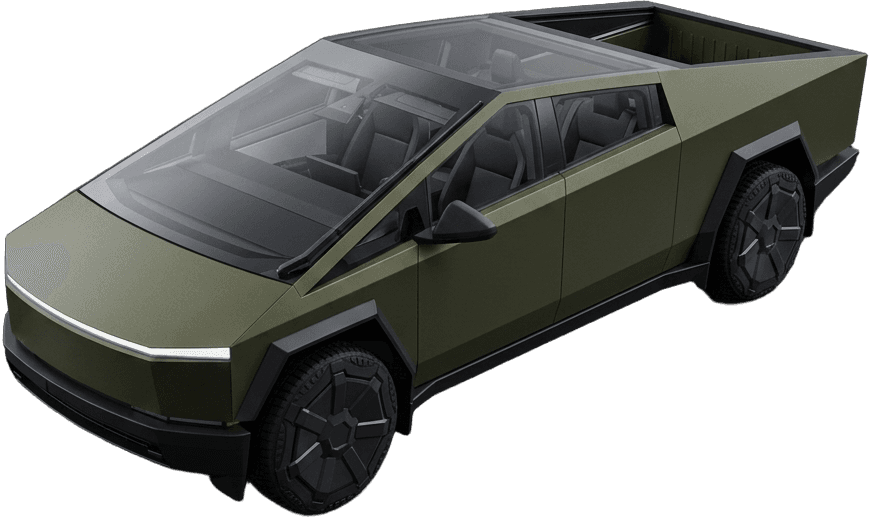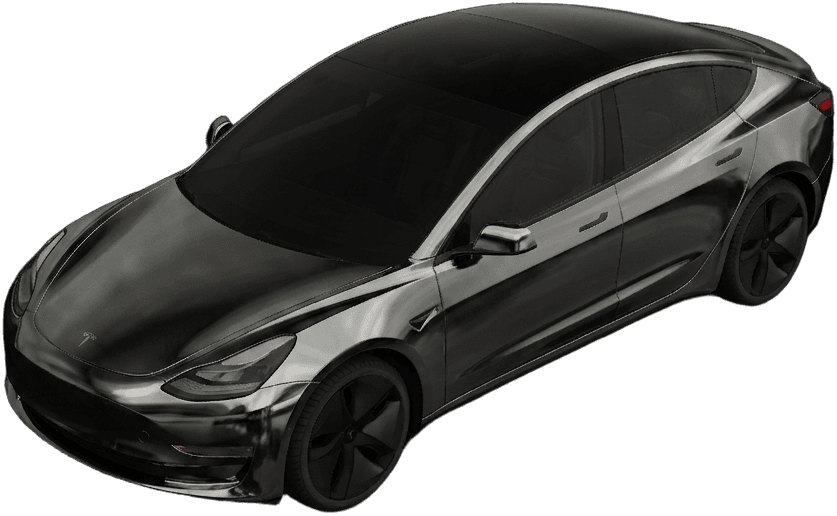
Short answer: wrap to change how the car looks, PPF to protect it, paint only when you want the change to be permanent. Most Tesla owners who think they want a respray actually want a wrap — and a growing number want clear PPF on the front end plus a wrap everywhere else.
Here's how the three actually compare.
The one-paragraph version
A vinyl wrap is a colored film laid over your paint. It transforms the look, comes off later, and lasts 3–5 years. PPF (paint protection film) is a thicker, usually clear film engineered to absorb rock chips — it protects far better but doesn't change the color. Paint is permanent, the most expensive to do well, and the only option that can't be undone.
Side by side
| Vinyl wrap | PPF | Respray | |
|---|---|---|---|
| Main purpose | Change appearance | Protect from chips | Permanent color change |
| Typical cost (full car) | $2,500 – $6,500 | $5,000 – $9,000 | $5,000 – $15,000+ |
| Lifespan | 3 – 5 years | 5 – 10 years | Life of the car |
| Reversible | Yes | Yes | No |
| Protects paint | Somewhat | Yes, substantially | N/A |
| Color options | Enormous | Mostly clear | Enormous |
| Self-healing | No | Usually yes | No |
Treat these as planning ranges, not quotes. Region, installer skill, and film brand move every number meaningfully.
When a wrap is the right call
Choose a wrap when the look is the point.
Wraps win on selection
The range is the argument: matte, satin, gloss, chrome, color-shift, camo, custom printed liveries. Nothing else comes close. They're also the only option here that's genuinely reversible at a sane cost, which makes them the default choice for leased cars.
The trade-off is durability
A wrap resists light scratches and UV, but it won't stop a highway rock chip the way PPF will. And it's a wear item — in four or five years you're removing or replacing it.
When PPF is the right call
Choose PPF when you like your factory color and want to keep it pristine.
PPF is meaningfully thicker than vinyl and engineered to absorb impact. Most quality films are self-healing: light swirls disappear with heat from the sun or warm water. On a car that sees highway miles, PPF on the front bumper, hood, and mirrors prevents exactly the damage that ruins a front end.
The trade-off is cost and appearance. Full-car PPF often costs more than a full wrap, and clear film doesn't change your color at all — you're paying purely for protection.
The hybrid most enthusiasts land on
Clear PPF on high-impact areas (front bumper, hood, mirrors, rocker panels), and a colored wrap over the rest. You get the look and the protection where it matters. Tell your installer this is the plan up front — layering affects adhesion and removal and needs to be planned, not discovered mid-install.
When paint is the right call
Choose paint when you want permanence and you're keeping the car indefinitely.
A high-quality respray is genuinely beautiful in a way film can't fully replicate — depth, panel-gap coverage, jambs done properly. But it's the most expensive option, it's irreversible, and a poor-quality respray is one of the fastest ways to destroy resale value. Buyers are suspicious of repainted cars because respray often signals accident repair.
For most Tesla owners, paint is the wrong tool. The main exception is repairing genuine damage.
Cost isn't the whole comparison
A wrap looks cheapest on the table, but compare over time. Five years of ownership might look like:
- Wrap: ~$4,000 up front, plus removal or replacement around year 4–5.
- PPF: ~$7,000 up front, likely still performing at year 5.
- Paint: ~$8,000 up front, permanent, with resale risk attached.
Per year of service, they're closer than the sticker prices suggest. Choose on purpose, not on the headline number.
How to decide in three questions
- Do you want a different color? If no, PPF. If yes, keep going.
- Do you need it permanent? If yes, paint. If no, wrap.
- Do you drive highway miles? If yes, add PPF to the front end regardless of what you chose above.
That's genuinely most of the decision.
Before you commit
Whichever route you choose, the expensive mistake is the same: picking a color from a swatch and discovering it reads completely differently on your car.
Render the finish on your exact model first — it takes about 30 seconds and costs a few dollars against a four-figure decision. Start with wrap ideas by finish, or read the full cost breakdown by model.