Short answer: removal is cheap and easy if you do it on time, and expensive and risky if you do not. A wrap removed before the film goes brittle usually leaves the paint underneath in better condition than an unwrapped equivalent — which is why wrapping tends to help resale rather than hurt it.
Removal is the part nobody quotes for at the start and everybody eventually pays for. Planning it before you install changes the economics of the whole decision.
How removal actually works
There is no clever trick. Film is warmed until the adhesive releases, then pulled back on itself at a shallow angle, slowly, in sheets. Heat, patience, and a low peel angle. That is the job.
Then adhesive residue is removed with a purpose-made adhesive remover and soft media, and the paint is washed and inspected.
When a wrap is within its life, this is genuinely straightforward work. Large panels come off in single pieces. A full car is a day's work for a competent shop.
What makes it expensive
One thing, mostly: the film has gone brittle.
Brittle film does not release in sheets. It shatters into fingernail-sized fragments, each of which has to be lifted individually, and the adhesive stays behind on the paint rather than coming away with the film. A job that should be a day becomes several, and the labour is tedious in a way that gets priced accordingly.
What makes film brittle is time plus sun, in that order. A car that lives outdoors in strong sun reaches that state considerably sooner than a garaged one. Cheap calendered film gets there sooner than quality cast film. And every year past the film's rated removability window pushes further in the wrong direction.
The rated removability period is published on the film's product data sheet, which your installer should be able to produce on request. That document — not a number from a web page — is the real deadline. Our guide on how long a car wrap lasts explains what else is on it and why it matters.
The practical conclusion: delaying removal does not save money, it defers a smaller bill into a larger one.
The other risk: what is underneath
Film bonds to the surface it is applied to. On a healthy car that surface is intact clear coat, and removal is safe.
Two situations change that.
Failing clear coat. If the clear coat was already peeling, oxidised or compromised when the wrap went on, removal can take it with the film. This is not the wrap's fault — it is a pre-existing problem that the wrap was hiding. Which is exactly why wrapping over failing clear coat is such an expensive mistake: it converts a cosmetic problem into a bodywork bill, and postpones the discovery by years.
Aftermarket paint. Respray work varies in quality and adhesion. Tell the removing shop if the car has had paintwork, and expect them to be more cautious in that area.
If you are about to wrap rather than unwrap: fix the paint first. Our guide to working with an installer covers what to sort out before the film goes on.
Doing it yourself
Feasible on small areas, ill-advised on a whole car.
Reasonable DIY: mirror caps, badges, a chrome delete, a roof. Small, flat, forgiving, and if it goes slowly you can stop and come back.
Not reasonable DIY: a full body. Not because the technique is hard, but because of what people do when it stops cooperating. Every horror story follows the same arc — the film stops releasing cleanly, frustration sets in, and out comes a blade or a harsh solvent. Both damage paint permanently, and both are entirely a response to impatience rather than to the job.
If you do attempt anything yourself:
- Warm the film, do not cook it. Too much heat softens the adhesive into a smear.
- Pull back on itself at a shallow angle, not outward.
- Slow and steady beats fast and torn. A tear means restarting from a new edge.
- Use a purpose-made adhesive remover, then wash the area properly.
- Never use a blade on a painted surface. Never.
Unpainted bodies are a separate case with their own residue considerations — see wrapping stainless steel.
What a wrap does to resale value
The intuition that wrapping hurts resale is mostly wrong, and it is worth understanding why.
A wrap is a physical barrier between your paint and the two things that age it: UV and light abrasion. Over several years of ownership, the paint under a wrap is genuinely better preserved than the paint on an identical unwrapped car. Remove the film before you sell and you are presenting a car whose factory finish has spent years protected.
Three things can turn that advantage into a penalty.
Selling it still wrapped, in a polarising colour. You are not selling a car any more, you are selling a car and a removal job, to someone who did not choose the colour. Most buyers discount for that, and some walk. Remove it first.
A wrap that was hiding something. Buyers and dealers are not naive. If the wrap comes off and reveals patchwork, the discount is about the paint, not about the wrap.
A removal done badly. Scratches, residue, scraped clear coat. This is the one entirely within your control, and it is the argument for having it done professionally and on time.
Our post on whether wrapping is worth it works through the rest of the ownership maths, including insurance and upkeep.
Leases and trade-ins
Wrapping a leased car is one of the better arguments for a wrap existing at all, because the whole point is that it is reversible.
The practical checklist:
- Read the modification terms first. Most leases accommodate a removable wrap; some do not. Find out before, not at hand-back.
- Budget for professional removal as part of the cost of the wrap, not as a surprise later.
- Remove it well ahead of the return date. If something needs attention underneath, you want weeks to deal with it calmly rather than days.
- Keep the paperwork. A record of what film was used and who installed and removed it answers questions before they become deductions.
For a trade-in, the same logic applies with less urgency. Remove it, have the car detailed, and present the paint.
Plan it before you install
The cleanest version of all of this is decided at the beginning, not the end.
Ask the installing shop what their removal process is and what they would charge. Get the film's data sheet so you know its removability window. Then put a rough date in your head for when it comes off, and treat it as real.
Do that and removal is a routine day's work. Skip it and you find out about brittleness the expensive way.
Still deciding whether to wrap
If you are weighing this up for the first time, the honest framing is that a wrap is a reversible, multi-year change with a known exit cost — which makes it a very different proposition from paint. That reversibility is the product.
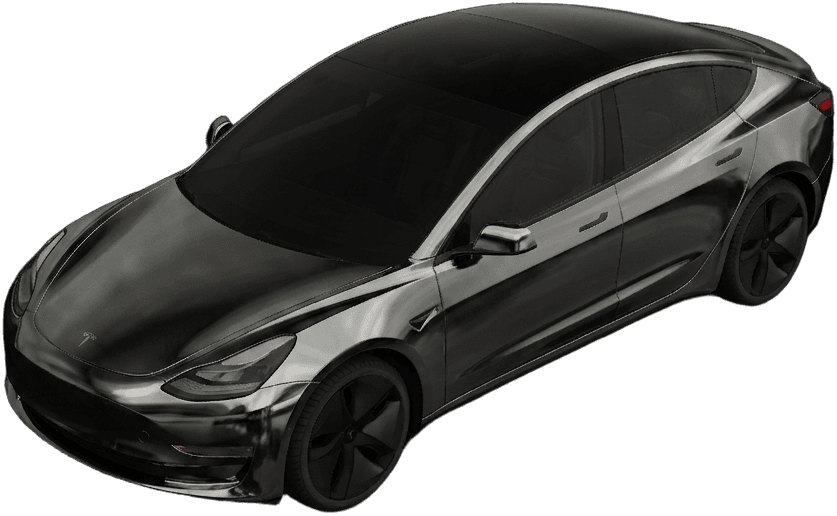
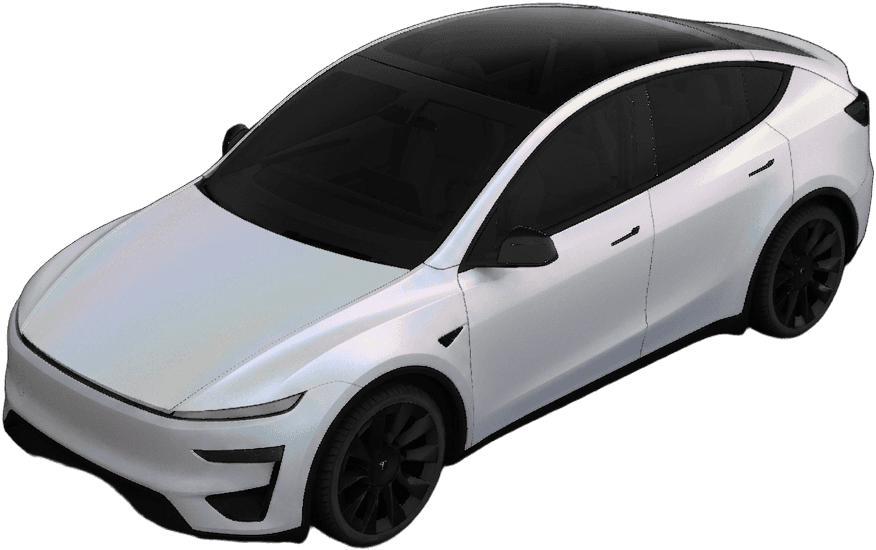
Start by seeing the actual finish on your actual car. The Model 3, Model Y and Cybertruck pages each preview designs on the correct template, and the cost guide has the ranges.
Open the design studio to try a finish, or get the iOS app and decide from the driveway.